

All about shade
In this post: the cooling effect of trees, protecting photosynthesis during heat waves, how heat affects soil, shade and buildings and 6 shady ideas for the garden

Resilience is my monthly delve into a particular topic or theme for my wonderful paid subscribers. So first, thank you very very much for your support which enables me to spend time researching different topics to write about in my posts. Don’t forget to scroll to the bottom to find the links to the first issue of my Resilience Gardening Magazine and other benefits. And for all my lovely free subscribers, there’s a lengthy preview!

Resilience 19
During the recent heat waves, I think many of us were seeking a cool spot in our gardens and avoiding the favourite sunny south-facing patio.
Much of the discussion around climate-resilient gardening focuses on drought-tolerant planting, rainwater harvesting and coping with floods, but one of the most effective and often unappreciated tools is shade, so this month’s Resilience is focussed on this topic, with a mix of science and gardening.
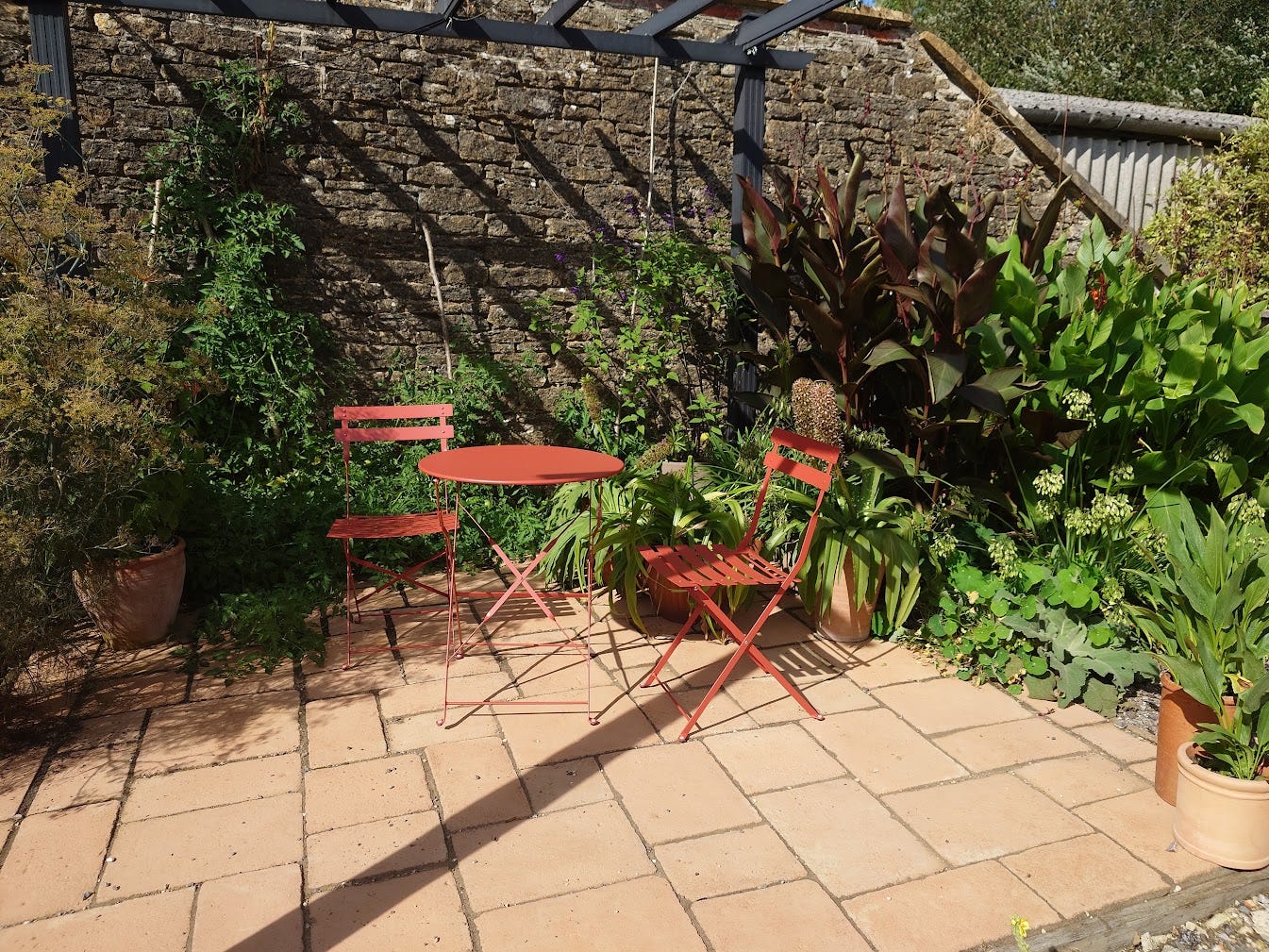
Seeking out shade
When the temperatures soar, it’s not just us that need shade, our plants and wildlife need the cool of some shade too, even some of those plants that are typically described as ‘sun loving’ as the heat that we experience in our gardens today is so much greater than that experienced in a typical summer of thirty or forty years ago.
During our recent heatwaves, I’ve seen scorched leaves, faded flowers, premature fruit drop and vegetables bolting much earlier than expected. A couple of weeks ago, when the temperature in the garden neared 40oC, I watched many of my reliable perennials like Echinacea and Rudbeckia wilt, while a purple-leaved heuchera, described as benefiting from being in full sun to bring out the deep colours, was completely scorched, despite being in a deep, loamy soil.
Shade is often regarded as a limitation, reducing the range of plants that can be grown, but in reality, shade is a critical ecosystem service. Whether generated by trees, hedgerows, climbing vegetation, or garden features, shade creates a cooler microclimate where there is reduced water loss, soil protection and enhanced biodiversity. As global temperatures rise and we experience more frequent heatwaves, shade is becoming even more important in the garden.
The cooling effect of trees
Walk in the shade beneath the leafy canopy of a mature deciduous tree on a hot summer’s day and the difference is immediate. The air feels cooler and the atmosphere is all together more comfortable.
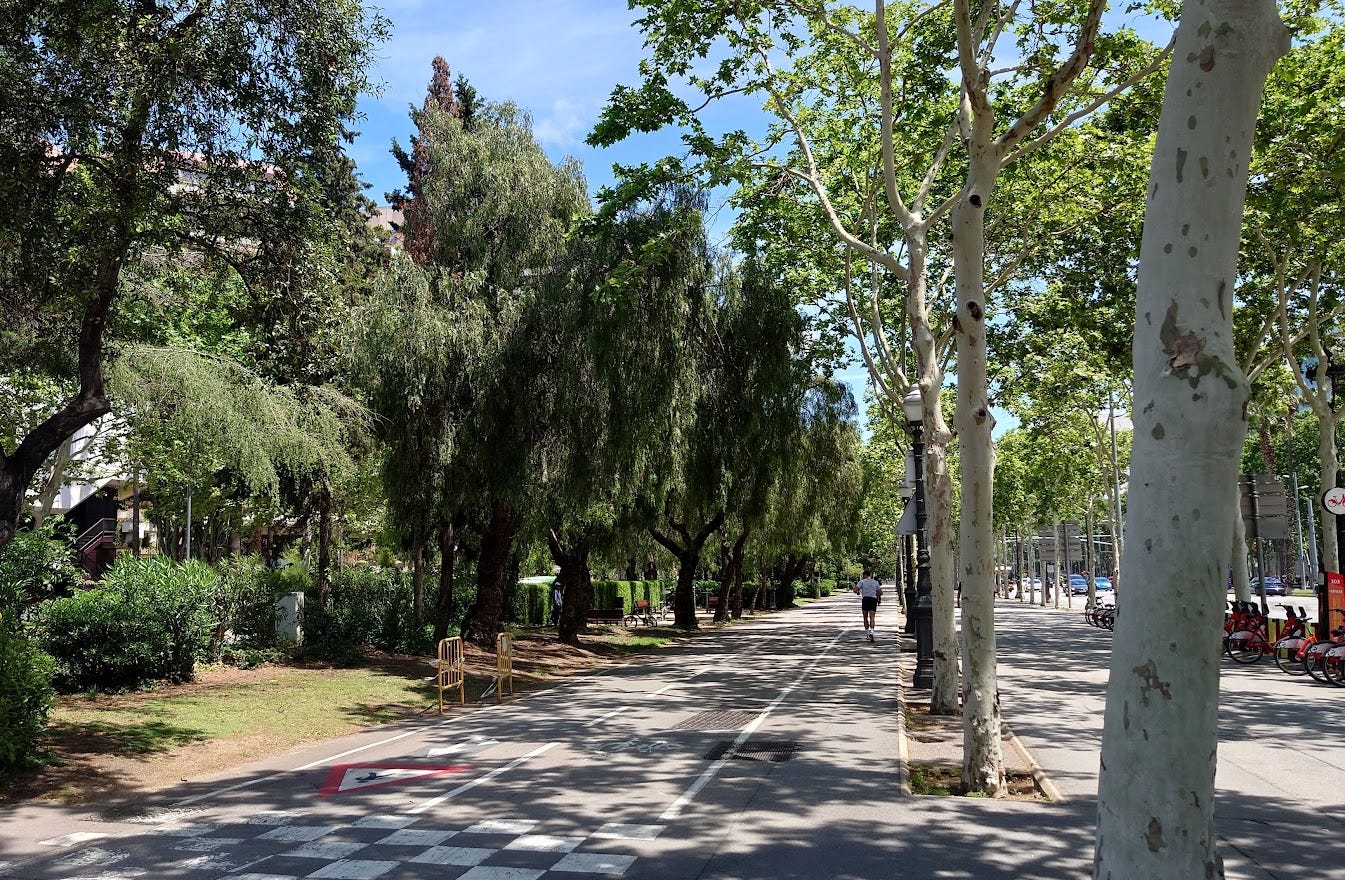
Trees provide a cooling effect in two ways. First, their leaves intercept sunlight, and physically prevent it from heating the ground. Second, when they transpire, there is a change in state as water becomes vapour and this takes up heat from the atmosphere, lowering the air temperature. In urban areas, trees provide essential shade and collectively help to reduce the intensity of the urban heat island effect. A shaded area on a warm day can be anything from 7 to 15oC cooler, depending on the surfaces and the location, creating a valuable microclimate.
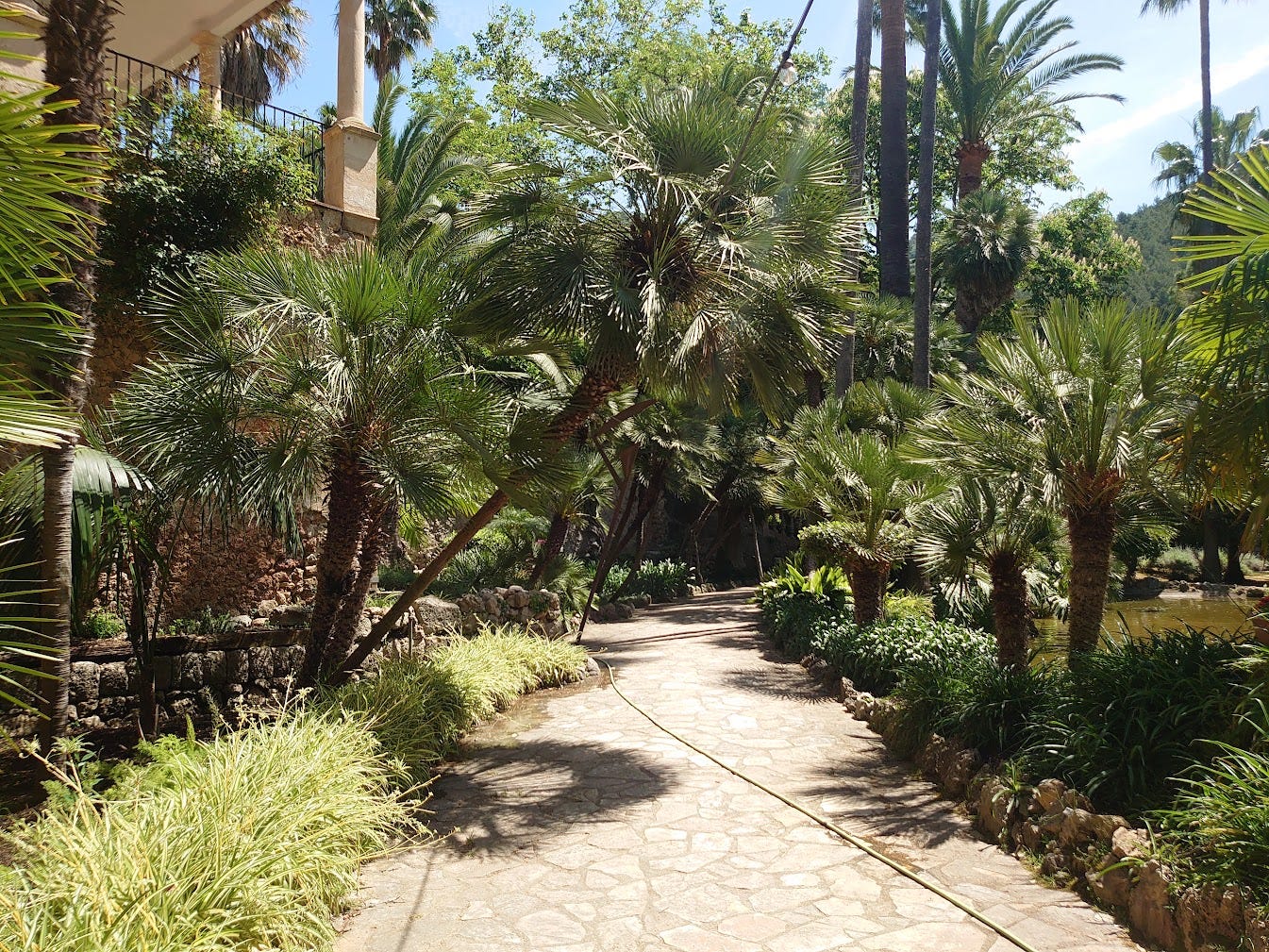
Solar radiation is the primary driver of evaporation. When less radiation reaches the soil surface, moisture persists for longer periods between rain. Relative humidity beneath tree canopies is often slightly higher than in exposed locations, and this reduces the vapour pressure deficit (the atmospheric demand for water), which, in turn, slows transpiration. This creates important positive feedback. Plants experience less water stress, stomata remain open for longer periods, photosynthesis continues more efficiently and growth is maintained, despite there being less rain or irrigation.
Protecting photosynthesis during heatwaves
Plants require sunlight for photosynthesis, but excessive light and heat can impair rather than enhance productivity. When leaf temperatures exceed the optimum range for photosynthesis, the photosynthetic mechanism becomes less efficient, while respiration rates increase.
During extreme heat, many species experience photo inhibition, a physiological response to excessive light combined with high temperatures which can overwhelm the photosynthetic system. At the same time, plants close their stomata to conserve water, which reduces the uptake of carbon dioxide and limits photosynthesis.
Shade buffers these extremes. Providing moderate shade reduces lowers leaf temperatures sufficiently to maintain photosynthesis. Rather than reduce growth, carefully managed dappled shade can actually improve overall productivity during prolonged hot weather, especially for woodland species and vegetables.
Shade and water conservation
One of the biggest challenges facing gardeners is reducing the stress experienced by plants during prolonged dry period and one of the simplest forms of water conservation is shade. Soil protected from direct sun loses moisture far more slowly through evaporation, while plants growing in partial shade transpire less, so they require less frequent watering. Plus, the benefits are even greater when shade is combined with mulching.
Afternoon shade has become increasingly important for many ornamental plants, and vegetable gardeners too, are discovering the value of partial shade for their crops. Many of our vegetables, especially salad crops, chard and spinach, remain productive for longer when sheltered from intense afternoon sunshine. Even crops, such as peas and beans, appreciate cooler root conditions during increasingly hot summers. The aim is not to eliminate sunlight, but to moderate extremes.
Coming up after the paywall how heat affects soil, shade and buildings and six shady ideas for the garden
